When was the last time you went to a club and actually knew every track that got played? Not the vibe of it, not the general shape of the night, but the actual tunes. If your list is getting shorter every year, that tells you something uncomfortable about where things are right now.
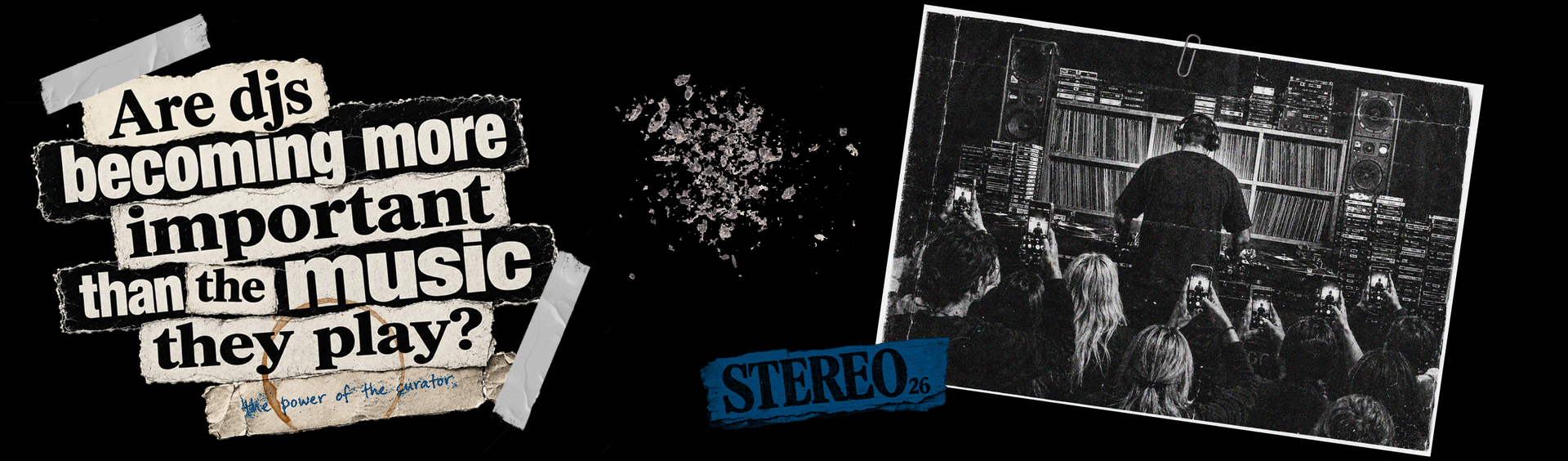
There was a world where a DJ was basically a conduit. A very skilled, very knowledgeable conduit, sure, but still someone whose entire job was to get out of the way of the music. You went to hear the records. The DJ was the person who happened to be holding them. Now? Now people buy tickets to see a name. They wait for hours to be in the same room as a person, and the music, in a strange way, has become secondary. It's there to prove the person deserves to be famous, rather than the person being there to prove the music deserves to be heard. - rework this… too harsh.
This didn't happen by accident, and it's not entirely the fault of the DJs either. It's a symptom of something much bigger.
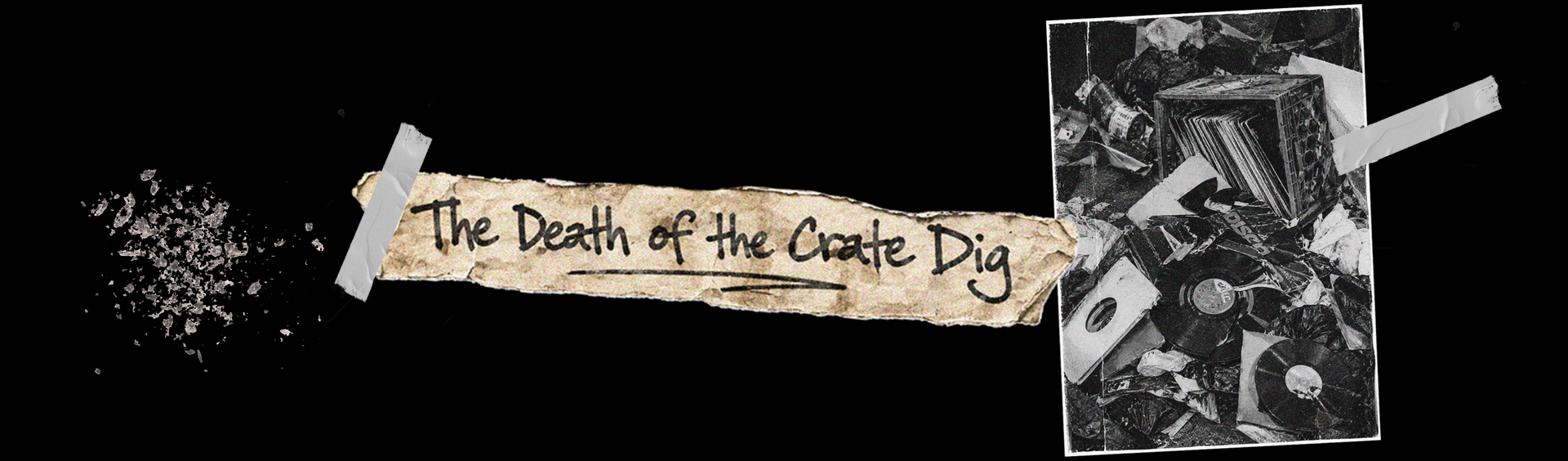
The Death of the Crate Dig
Think about what it used to take to be a great selector. You needed hours, weeks, years spent in record shops with sore fingers and dusty clothes from thumbing through thousands of albums. You needed relationships with shop owners who would put things aside for you. You needed to travel to find the import bins or wait weeks to receive buying an import online. You would randomly buy a white label record in some random record store in some random city. The knowledge was earned slowly and it showed in your set. The physical records you had was who you were. A DJ who put in that work played differently from those who didn't. You could hear the years and hours in the selection.
Now the entire history of recorded music sits in your pocket. Anyone with a laptop and a subscription can pull up practically anything ever pressed to vinyl with just a few clicks. The digging hasn't disappeared, but its been flattened. Everyone has access to the same ocean. So what actually separates one DJ from another is no longer just what they know. It's what they choose, how they frame it, and increasingly, who they're while doing it. But when things die new things are born? So what did this change spawn?
Curation as a Creative Act
Here is where I want to push back on the idea that this shift is automatically a bad thing, because I don't think it is. Curation has always been a creative act, even when we pretended otherwise. Choosing what not to play is as important as choosing what to play. Sequencing three records back to back so that they say something none of them said alone, that's authorship. It might not be the same kind of authorship as writing a melody or producing a track from scratch, but it's authorship, it is creation all the same.
The best selectors work essentially like editors. They are taking in an overwhelming amount of material and giving you a version of the night that has meaning, tension, release. That skill has always mattered. What has changed is how important that skill has become.
Think back to certain stretches of festival culture, not that long ago, where you could walk from stage to stage and hear the exact same tools track drop within twenty minutes of each other. Same edit, same build, same “big room weapon” that everyone had downloaded. It didn't matter whose name was on the poster. The set had already been decided for them by whatever was circulating that season in that genre. Curation in that environment barely meant anything, because everyone was drawing from the same tiny pool and serving it up in the same order.
This is starting to change…and it's worth naming why. As lineups get more crowded and audiences get more online, sounding identical to the DJ on the next stage has become a genuine liability rather than a safe bet. People compare notes in real time now. So the ones who are thriving are leaning hard into being unmistakable, building sets that couldn't be mistaken for anyone else's, pulling from corners nobody else is bothering to check. Call it a hyper curated era if you like. The circuit is rewarding people who treat their crate like a genuine point of view again… rather than a generally shared playlist everyone quietly agreed to use.
But what does all this mean for the DJ?
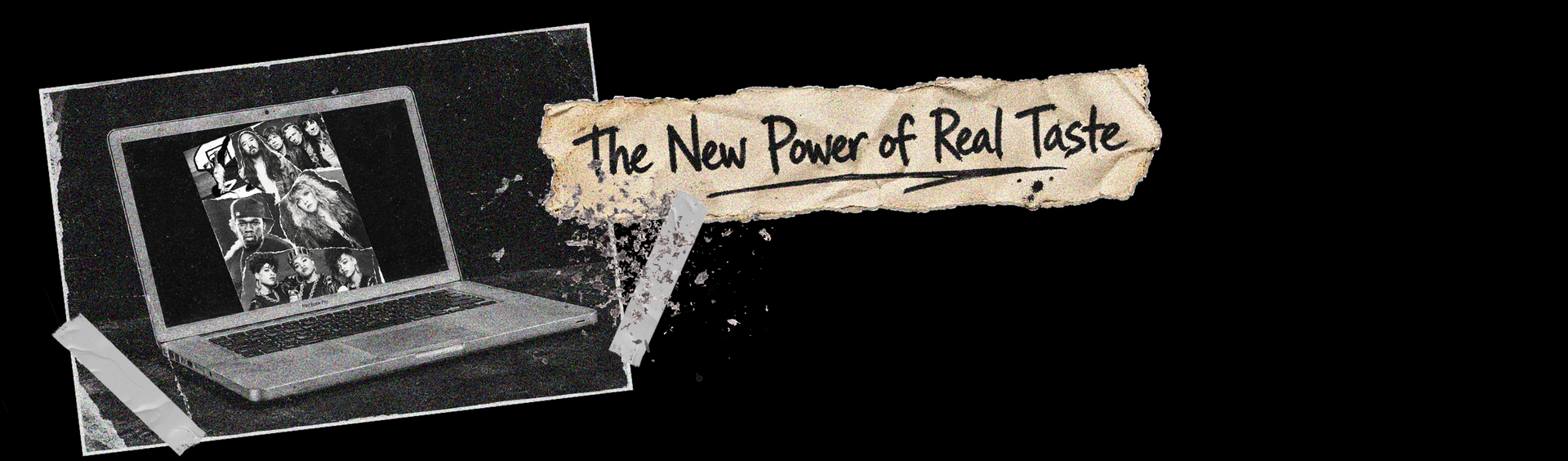
The New Power of Real Taste
When everyone has access to the same music, the same software, the same edits and increasingly the same information, taste becomes one of the few things that still separates one DJ from another. Not taste in the sense of simply liking “good music,” but having a specific point of view. Knowing what belongs together, what doesn’t, what feels obvious, what feels unexpected, what should be played now and what should be held back. That judgment becomes incredibly valuable because it can’t be downloaded, copied or learned from a tutorial overnight. It’s built over time through everything you’ve listened to, watched, experienced and obsessed over.
And I think that’s where a lot of the power of the DJ is shifting. The opportunity now is not necessarily to have access to music nobody else can find. It’s to hear the same ocean of music everyone else has access to and come back with a version of it that feels unmistakably yours. Two DJs can have the exact same library and create completely different nights because one has developed a stronger sense of taste and trusts it enough to actually use it. In an era where the tools have become more equal and the crate is basically infinite, your taste becomes part of the product. It’s not just what you play. It’s the lens through which you decide what deserves to be played at all. But if you really have the power what do you do with it?
So Where Does That Leave Us
Here is where it lands. In a world where everyone technically has access to the same records, the same stems, the same tools, taste becomes the one thing that can't be downloaded. It's the last scarce resource in a game where scarcity used to mean who owned the rarest pressing. Now it means who has the sharpest eye for what actually belongs next to what, and the nerve to trust that instinct in front of a room full of people.
That's why the hyper curated era feels less like a passing trend and more like where this was always heading. When the tools flatten and everyone can technically play anything, the only thing left to compete on is judgment. Taste isn't a soft skill anymore. It's the asset. It's the entire pitch. The DJs who understand that, who treat their point of view as the actual product rather than a delivery mechanism for other people's records, are the ones who are going to matter most going forward.
So maybe the real answer to the original question is that the DJ has not become more important than the music. Taste has become as important as the music, and the “Real” DJs just happens to be the one holding it.